That nagging feeling of unease every time you hear a strange noise at night or notice a door that does not quite lock right does more than interrupt your evening. Over weeks and months, chronic low-grade fear at home chips away at sleep quality, focus, and even relationships. The good news is that home security is not an abstract worry you have to simply live with, it is a set of specific, fixable gaps. This article walks through the most common sources of that unease and the concrete steps that close them for good.
A useful way to reduce that anxiety is to separate vague fears from specific vulnerabilities. Walk through the property during the day and again after dark, noting weak locks, poor lighting, hidden corners, damaged gates, or areas that cannot be seen from inside. Turning a general sense of danger into a practical checklist makes the problem easier to address and helps you prioritize improvements based on urgency rather than fear.
Recognize the Physical Signs of Chronic Home Insecurity
Feeling unsafe at home rarely announces itself dramatically. Instead it shows up as trouble falling asleep, checking locks multiple times before bed, or a racing heart when you hear the house settle at night. These are real stress responses, not overreactions, and they deserve attention rather than dismissal.
Left unaddressed, this low-level hypervigilance can bleed into daytime irritability, difficulty concentrating at work, and a general sense of exhaustion that no amount of coffee fixes. Recognizing these patterns is the first step toward reclaiming a sense of calm in your own home.
It can also help to notice whether your habits have changed in response to that discomfort. You may rush from the car to the house, avoid opening windows, or repeatedly check security cameras even when no alert has occurred. These behaviors can point to areas where a physical improvement, better lighting, clearer visibility, or a more reliable security routine could reduce unnecessary stress.
- Waking up multiple times a night to check on noises
- Feeling tense when home alone, even during the day
- Avoiding certain rooms or windows after dark
- Relying on lights or television left on just for a sense of company
- Difficulty relaxing even when doors are confirmed locked

Evaluate Your Entry Points Before Anything Else
Most break-ins happen through doors, not windows, which makes entryways the logical starting point for any home safety upgrade. A hollow-core door with a flimsy strike plate can be kicked in within seconds, regardless of how many locks are layered on top. Upgrading to security storm doors adds a meaningful second barrier, especially when paired with a solid core interior door and a reinforced frame.
Beyond the door itself, consider the surrounding hardware. Deadbolts should extend at least an inch into the frame, and hinges should be on the interior side whenever possible. These small details make a measurable difference in how long an intruder is delayed, which is often enough to deter them entirely.
Do not overlook secondary entrances such as garage access doors, basement doors, patio sliders, and side entries that receive less attention than the front door. Sliding doors can benefit from additional locking mechanisms or security bars, while garage entry doors should be treated with the same care as exterior entrances. A complete inspection should account for every realistic path into the home.
Understand What Modern Alarm Systems Actually Detect
Many people assume an alarm system only sounds when a door or window is breached, but modern setups do far more. Working with experienced security system installers means getting sensors tuned to your specific home, from glass-break detection to motion sensors that ignore pets but catch human movement. This customization is what separates a system that actually works from one that generates false alarms and gets ignored.
Installation quality matters just as much as the equipment itself. A poorly placed sensor or an improperly wired panel can leave blind spots that defeat the entire purpose of the system. Professional installers also help you understand response protocols, so you know exactly what happens the moment an alert is triggered.
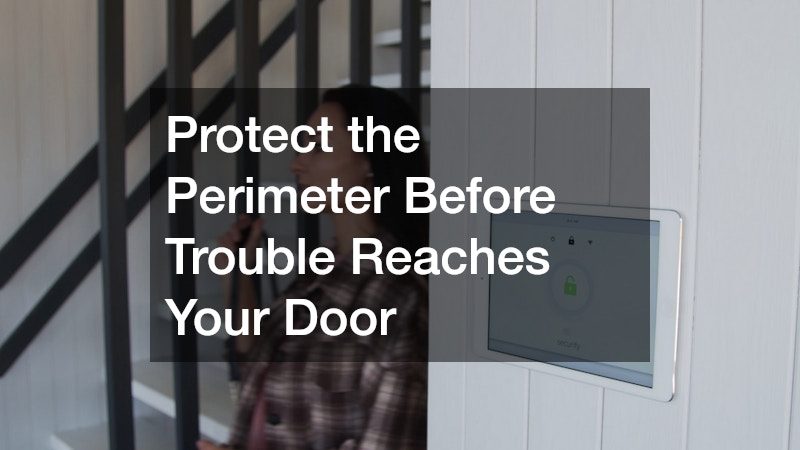
Remote access can also make security systems easier to use consistently. Homeowners can confirm that doors are closed, receive alerts while traveling, and review activity without needing to be physically present. The goal is not to watch the property constantly, but to create dependable layers of information so unusual activity is easier to identify and routine events do not create unnecessary alarm.
- Door and window contact sensors
- Motion detectors with pet immunity settings
- Glass-break sensors for ground floor windows
- Environmental sensors for smoke, water, or carbon monoxide
- Smartphone integration for remote monitoring
Protect the Perimeter Before Trouble Reaches Your Door
A secure home starts well before the front entrance. Security fencing creates a visible boundary that discourages casual trespassing and gives you a buffer of time and awareness if someone approaches uninvited. Height, material, and visibility all matter, since a fence that is too low or too easy to climb offers little more than a decorative line.
For homes with driveways, controlling vehicle access is just as important as controlling foot traffic. Driveway gates add a layer of separation that makes it far harder for anyone to pull up unnoticed, and many modern versions include keypad or app-based entry so you always know who is coming and going. Together, fencing and gated access turn your property line into a genuine first line of defense rather than a suggestion.
Lighting can strengthen perimeter protection without making a property feel harsh or institutional. Motion-activated fixtures near walkways, garages, side yards, and rear entrances can remove dark hiding places. Landscaping matters. Keeping shrubs trimmed below windows and tree limbs away from upper-level access points can improve visibility and reduce concealed areas around the house.
Plan for Fire and Emergency Detection, Not Just Intruders
Feeling unsafe at home is not only about people breaking in, it is also about the invisible risks like fire, gas leaks, or carbon monoxide buildup. Reliable fire alarm systems detect smoke and heat far faster than a person can, giving households precious extra minutes to evacuate safely. Interconnected systems, where one triggered alarm sounds every unit in the house, are especially valuable in larger homes or multi-story layouts.
Testing and maintenance are just as important as installation. Batteries should be checked twice a year, and sensors have a functional lifespan that eventually requires full replacement rather than just a battery swap. A home that feels safe is one where these systems are trusted to work, not just present.
Emergency planning should extend beyond buying detectors. Everyone in the household should know where exits are located, where to meet outside, and how to leave quickly if a primary route is blocked. Important phone numbers should be easy to find, and residents with children, pets, or mobility limitations may need extra planning. Practicing these steps can make emergency equipment far more useful when seconds matter.
- Smoke detectors in every bedroom and hallway
- Interconnected alarms that all sound together
- Carbon monoxide detectors near sleeping areas
- Annual professional inspection of wiring and panels
- Clear evacuation routes practiced with the whole household
Consider Human Presence for Larger Properties and Communities
Technology solves a lot of problems, but there are situations where a visible human presence adds a layer of reassurance that cameras and sensors cannot replicate. A security guard service is often used in gated communities, larger estates, or properties that sit vacant for extended periods, providing patrols and a physical deterrent that would-be intruders notice immediately. Knowing that a trained person is checking your property on a regular schedule can measurably reduce the anxiety of leaving a home unattended.
This option is not just for commercial properties or the ultra-wealthy. Many neighborhoods and individual homeowners contract patrol services for specific concerns, such as a string of nearby break-ins or a property that is difficult to monitor remotely. The cost is often lower than people expect once weighed against the peace of mind it provides.
Before hiring any patrol provider, clarify what the service actually includes. Some companies perform scheduled drive-bys, while others conduct foot patrols, check doors and gates, document unusual conditions, or respond to alarms. Understanding frequency, reporting methods, escalation procedures, and hours of coverage helps homeowners choose a service that addresses the concern that is actually causing them to feel vulnerable.
Address Mobility and Fall Risks That Undermine Home Safety
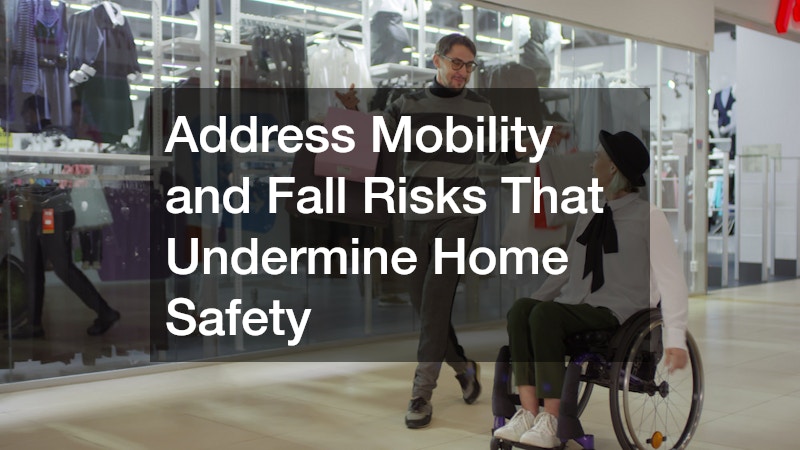
Feeling unsafe at home is not always about intruders. For older adults or those with mobility limitations, the fear of falling on the stairs can be just as constant and exhausting as any security concern. Installing local stair lifts removes this daily source of dread, allowing someone to move between floors without the physical strain or risk that stairs otherwise present.
This kind of adaptation often has a ripple effect on independence and mood. When a person no longer has to plan their day around avoiding the stairs, they regain a sense of control over their own home, which matters just as much as any lock or alarm.
A broader home assessment can reveal risks that are easy to miss because they develop gradually. Loose rugs, uneven thresholds, poorly placed furniture, and cluttered walkways may become serious obstacles for someone with reduced balance or strength. Small adjustments can improve movement throughout the home and may reduce the need to depend on another person for basic tasks such as reaching a bathroom or bedroom safely.
- Grab bars in bathrooms and hallways
- Non-slip flooring in high-traffic areas
- Adequate lighting on stairways and landings
- Motion-sensor night lights for nighttime bathroom trips
- Properly fitted stair lift equipment for specific staircase widths
Weigh In-Home Support Against a Move to Managed Care
For aging family members, the conversation about safety often expands beyond the physical house into questions about daily supervision and support. Senior care services can provide help with medication management, meal preparation, and mobility assistance while allowing someone to remain in familiar surroundings. This option works well when the primary safety concerns are manageable with regular but not constant support.
In other cases, the level of need is high enough that assisted living facilities offer a more realistic path to consistent safety and social connection. These communities are staffed around the clock and designed specifically to reduce fall risk, wandering incidents, and medical emergencies going unnoticed. Choosing between these paths is deeply personal, but it should be driven by an honest assessment of daily needs rather than guilt or assumption.
- Frequency and type of medical needs
- Availability of family or neighbors for daily check-ins
- Cognitive status and wandering risk
- Financial considerations and long-term budget
- Personal preference for independence versus community living
Keep Vacant or Seasonal Homes Protected While You Are Away
Homes that sit empty for weeks at a time, whether due to travel, seasonal living, or a family member moving into care, face a different category of risk. Frozen pipes, undetected leaks, and break-ins can all go unnoticed for far too long without eyes on the property. An absentee home watch company fills this gap by conducting scheduled visits, checking for signs of trouble, and alerting the owner immediately if something looks wrong.
This kind of service is particularly valuable for snowbirds, vacation homeowners, or families managing a relative’s empty house after a move to assisted living. Rather than relying on a neighbor’s occasional glance or hoping nothing goes wrong for months at a time, a scheduled watch service provides documented, consistent oversight that gives everyone involved genuine peace of mind.
Feeling unsafe at home is rarely solved by a single fix, but by systematically addressing entry points, detection systems, perimeter protection, mobility risks, and oversight when you are away, that constant background hum of worry can finally quiet down. Start with the area that causes you the most immediate anxiety, whether that is a flimsy front door, an aging parent’s staircase, or a vacation home sitting empty for months. Small, deliberate upgrades compound over time into a home that genuinely feels like a refuge again. Your peace of mind is worth the investment, and every step you take toward a safer home is a step toward sleeping easier tonight.