
Health and wellness rarely depend on one habit, one appointment, or one area of life. Feeling better day to day often comes from paying attention to several connected factors at once, including physical comfort, emotional health, personal confidence, home environment, recreation, and access to professional care. A whole-person approach recognizes that these areas influence one another and that small improvements across multiple parts of life can create a more sustainable sense of well-being.
This perspective also encourages people to think beyond quick fixes. Rest, preventive care, stress management, movement, social connection, and a healthy living environment all contribute to how a person feels and functions. The goal is not perfection. Instead, it is to create routines, surroundings, and support systems that make it easier to care for the body and mind consistently.
Professional services can play an important role in that process. Some address pain and mobility, while others focus on mental health, appearance, relaxation, cleanliness, or leisure. Even practical choices such as improving water quality or maintaining a cleaner home can support everyday comfort. By looking at wellness from several angles, people can build a lifestyle that feels more balanced, personalized, and realistic over time.
Create a Healthier Home Environment
Wellness starts in the spaces people use every day. The quality of the home environment can affect comfort, stress levels, daily routines, and even how easy it is to maintain healthy habits. A cluttered, dusty, or poorly maintained space may make it harder to relax, cook, sleep, or stay organized. On the other hand, a clean and functional home can create a sense of calm and make daily tasks feel more manageable.
Professional cleaning services can be especially helpful for busy households, people with demanding schedules, or anyone who struggles to keep up with deep cleaning. Routine cleaning can reduce visible dust, dirt, and buildup while helping kitchens, bathrooms, and shared spaces remain more pleasant to use. Delegating these tasks may also free up time for exercise, meal preparation, family activities, or rest.
Water quality is another part of the home that can influence daily comfort. Water filtration systems are designed to reduce specific contaminants, tastes, odors, or minerals depending on the technology used and local water conditions. Some households install point-of-use filters for drinking water, while others choose whole-home options. Selecting the right system requires understanding what is actually present in the water rather than assuming every filter solves the same problem.
A healthier home does not require constant upgrades. Practical improvements that make the space cleaner, more comfortable, and easier to maintain can support wellness without adding unnecessary complexity.
Support Physical Comfort and Mobility
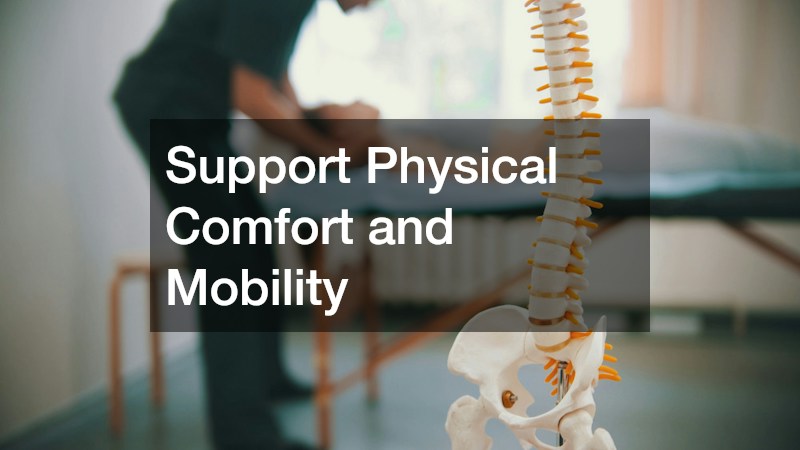
Physical discomfort can affect far more than one part of the body. Pain may interfere with sleep, work, exercise, concentration, and mood, which is why addressing mobility and musculoskeletal concerns can be an important part of whole-person wellness. The right approach depends on the cause, severity, duration, and medical history involved.
People seeking low back pain treatment may encounter a range of options, including exercise-based rehabilitation, physical therapy, medication, ergonomic changes, manual therapies, and other forms of care. Because back pain can have many causes, an individualized evaluation is important before deciding on a treatment plan. In some cases, improving strength, posture, flexibility, or movement habits may help reduce recurring strain.
A chiropractic service may also be part of a broader care plan for some people with musculoskeletal discomfort. Chiropractors commonly focus on spinal and joint mobility, body mechanics, and manual adjustment techniques. As with any health service, people should discuss symptoms, medical conditions, and treatment goals with an appropriate healthcare professional, especially when pain is severe, sudden, or accompanied by neurological symptoms.
Movement itself is another key part of physical well-being. Gentle activity, strength training, walking, stretching, and mobility work can help many people maintain function and confidence in everyday tasks. The most useful routine is one that matches a person’s abilities and can be practiced consistently rather than an overly demanding plan that becomes difficult to sustain.
Make Mental and Emotional Health a Priority
Mental and emotional well-being are central to whole-person health. Stress, grief, relationship challenges, major life transitions, work pressure, and ongoing anxiety can influence sleep, appetite, energy, motivation, and physical tension. Addressing these concerns can help people feel more capable of managing daily responsibilities and making thoughtful decisions about other areas of their health.
Psychotherapy services can provide a structured space to explore thoughts, emotions, behaviors, and patterns that may be contributing to distress. Different therapeutic approaches may be used depending on a person’s needs, goals, and preferences. Some people seek therapy during a crisis, while others use it as ongoing support for communication, self-awareness, coping skills, or personal growth.
Mental health support can also make other wellness habits easier to maintain. Someone who feels overwhelmed may struggle to exercise regularly, prepare nutritious meals, keep medical appointments, or set boundaries around work. Therapy can help identify obstacles and develop practical strategies that fit the person’s circumstances.
Emotional wellness also benefits from everyday habits outside of formal treatment. Consistent sleep, meaningful social connection, time outdoors, hobbies, and realistic expectations can all contribute to a more balanced routine. Mental health care should not be treated as separate from physical health because the two often affect each other in noticeable ways.
Use Relaxation and Recovery Intentionally
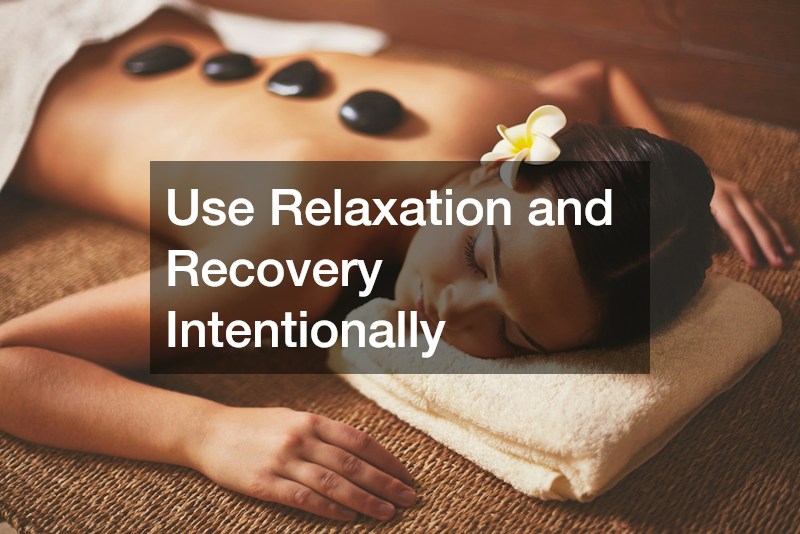
Rest and recovery are often overlooked when people think about wellness. Many routines focus heavily on productivity, exercise, and achievement while leaving little time for the body and mind to recover. Intentional relaxation can help reduce tension, improve body awareness, and create space between periods of physical or mental demand.
Massage therapy services are one option people may use to support relaxation and muscular comfort. Massage techniques vary and may be selected based on preferences, activity level, areas of tension, or specific wellness goals. Some people schedule massage after strenuous exercise, while others use it as part of a general stress-management routine.
Recovery can also include simple practices that do not require an appointment. Taking regular breaks from screens, stretching after long periods of sitting, getting enough sleep, staying hydrated, and alternating intense activity with lighter movement can all support recovery. These habits may be particularly important for people with physically demanding jobs or highly sedentary work.
The key is to view rest as a necessary part of functioning well rather than as something earned only after exhaustion. Building recovery into a weekly schedule can make wellness routines more sustainable and may help people recognize early signs of stress or overuse before those issues become more disruptive.
Build Confidence Through Personal Care
Personal care can influence how people feel about themselves, especially when it is approached as a form of self-expression and maintenance rather than a pursuit of perfection. Grooming, skincare, oral health, and appearance-related services can all contribute to confidence for people who choose to include them in their wellness routines.
A local med spa may offer services such as facials, skincare treatments, injectables, or other aesthetic procedures depending on the provider’s qualifications and scope of practice. Because some treatments are medical in nature, it is important to understand who performs the procedure, what credentials they hold, and what risks or aftercare requirements may apply. A consultation can help clarify whether a service is appropriate for a person’s goals and health history.
Cosmetic dentistry is another area that may affect confidence. Treatments can include whitening, bonding, veneers, orthodontic options, or other procedures designed to improve the appearance of teeth. Oral health should remain the foundation of any cosmetic plan, and patients should discuss both aesthetic goals and dental health with a qualified provider.
Even routine services at a nail salon can serve as a small form of self-care. A manicure or pedicure may offer relaxation and personal enjoyment, but hygiene practices matter. Clean tools, proper sanitation, and attention to skin or nail concerns can help make the experience more comfortable and appropriate.

Stay Active Through Enjoyable Recreation
Physical activity is easier to maintain when it feels enjoyable and socially rewarding. Not everyone enjoys traditional gym workouts, and wellness plans are often more sustainable when they include forms of movement that people genuinely look forward to. Recreation can provide exercise while also supporting stress relief, social connection, and time away from work.
Golf is one example of an activity that combines movement, concentration, and social interaction. Depending on how a round is played, golfers may spend several hours walking, standing, swinging, and moving across varied terrain. Private golf memberships can appeal to people who want regular access to a course, practice facilities, organized events, or a consistent recreational community.
The broader lesson is to choose activities that fit personal interests and physical abilities. Swimming, hiking, dancing, cycling, gardening, recreational sports, and group fitness can all contribute to an active lifestyle. Enjoyment matters because people are more likely to repeat activities they find rewarding.
Recreation also creates mental space. Time spent focusing on a game, hobby, or outdoor activity can provide a temporary break from work demands and daily responsibilities. When movement is tied to pleasure rather than obligation, it can become a more natural part of a person’s weekly routine.
Coordinate Professional Care Thoughtfully
A whole-person approach does not mean using every available service. It means choosing support intentionally and understanding how different providers, treatments, and lifestyle habits fit together. People often work with several professionals over time, especially when managing pain, stress, preventive care, or appearance-related goals.
Communication is important when services overlap. For example, a person receiving low back pain treatment may also use massage therapy services or a chiropractic service. Sharing relevant medical information with each provider can reduce confusion and help everyone understand what other care is being used. The same principle applies to mental health treatment, dental procedures, aesthetic services, and other forms of care.
It is also helpful to evaluate services based on clear goals. Someone may want less pain, better sleep, improved confidence, more social activity, or a cleaner home environment. Defining the desired outcome makes it easier to decide whether a service is helping and whether adjustments are needed.
Cost, convenience, credentials, and long-term sustainability should also be considered. A wellness routine that depends on too many expensive or time-consuming appointments may be difficult to maintain. The strongest plan is usually one that combines professional support with realistic daily habits that can continue between appointments.

Create a Sustainable Whole-Person Routine
Wellness becomes more meaningful when it can be maintained over time. Rather than trying to change every habit at once, people can focus on a few areas that would make the greatest difference in daily life. That might mean improving sleep, addressing recurring discomfort, scheduling psychotherapy services, upgrading water filtration systems, or simply creating more time for movement and recovery.
Small routines can work together. A cleaner home may make it easier to relax. Better physical comfort can make recreational activity more appealing. Improved confidence may encourage greater social engagement. Mental health support can make it easier to set boundaries, manage stress, and follow through on healthy routines. These connections are what make a whole-person approach valuable.
It can also help to review wellness priorities periodically. Needs change with age, work demands, relationships, health conditions, and lifestyle shifts. A routine that worked several years ago may no longer fit current circumstances. Regular reassessment allows people to keep what is useful, replace what is not, and add support where it is needed.
Consistency matters more than intensity in most long-term wellness routines. Choosing manageable actions can prevent self-care from becoming another source of pressure. Scheduling appointments in advance, preparing healthy meals, protecting downtime, and setting realistic movement goals can create useful structure. Over time, these repeated choices can become familiar habits that require less effort to maintain.
Health, wellness, and daily comfort are not separate goals. They are closely connected parts of how people experience everyday life. By combining practical home improvements, thoughtful professional care, enjoyable recreation, emotional support, and realistic self-care habits, people can create a more balanced approach to feeling and functioning well.