
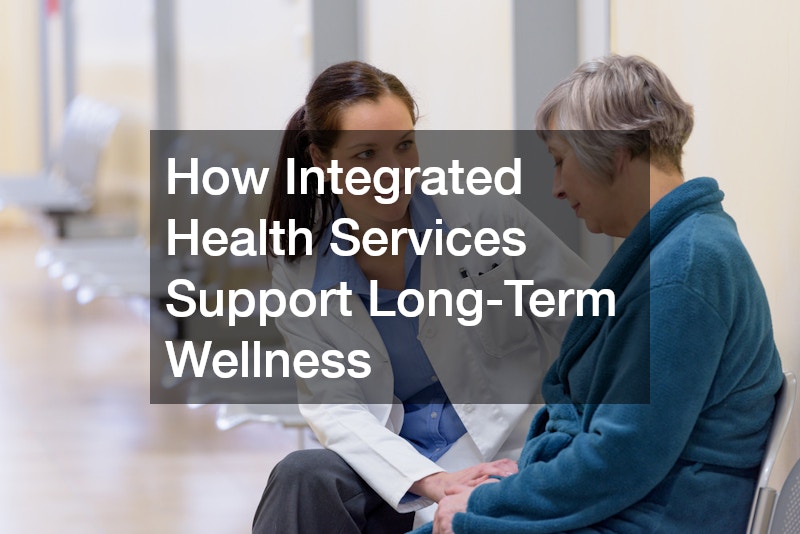
Long-term wellness is no longer about addressing health issues one at a time. Today, integrated health services combine preventive care, specialized treatments, and ongoing management programs to help patients maintain overall well-being. By accessing a range of services—from routine checkups to advanced therapies—individuals can address potential health concerns early, manage chronic conditions effectively, and recover from injuries more efficiently. Integrated care emphasizes collaboration between healthcare providers, ensuring that each aspect of a patient’s health is addressed in a coordinated and holistic manner.
Modern healthcare recognizes that the body functions as an interconnected system. Oral health impacts cardiovascular health, mobility challenges can influence metabolic conditions, and hormonal imbalances can affect both mental and physical performance. By leveraging diverse services such as local urgent care centers, physical rehabilitation programs, regenerative treatments, and preventive screenings, patients can reduce risks, minimize complications, and improve quality of life. This approach is particularly critical for aging populations, individuals managing chronic illnesses, and anyone recovering from surgery or injury. When healthcare providers communicate and share insights, patients experience better outcomes and more efficient care.
This article explores how integrated health services contribute to long-term wellness. We’ll discuss immediate medical care for unexpected issues, rehabilitation strategies for regaining strength, regenerative therapies for tissue repair, and specialized services that monitor circulation, oral health, hearing, blood sugar, hormones, musculoskeletal alignment, and jaw function. Each section highlights a key area of care and explains why combining these services supports overall health. Whether you’re seeking preventive guidance or recovery strategies, understanding these interconnected services can empower you to take a proactive approach to your wellness journey.
Immediate Medical Attention for Unexpected Health Concerns

Access to prompt medical care can make a significant difference when sudden illness or injury occurs. Local urgent care centers offer convenient, timely evaluation for a wide range of non-life-threatening conditions, such as minor injuries, infections, and acute illnesses. Unlike emergency rooms, these facilities provide shorter wait times and specialized care that addresses immediate concerns without the stress of hospital admissions. By treating problems early, patients can prevent minor issues from developing into more severe conditions that require extended treatment or hospitalization.
Local urgent care centers also play a critical role in bridging gaps between primary care and specialized services. When a patient presents with a concerning symptom, these centers can provide initial diagnostics, stabilization, and referrals to specialists if necessary. They often offer lab work, imaging services, and medication management on-site, reducing delays in care and helping patients get back to normal activities quickly. For families and busy professionals, the accessibility of local urgent care ensures that immediate health concerns don’t disrupt daily life or escalate into long-term complications.
Restoring Strength, Mobility, and Physical Function
Recovering from injury or managing chronic pain often requires more than rest—it demands targeted interventions to restore mobility and functional strength. Physical therapy is a cornerstone of rehabilitation, providing customized exercises and treatment plans that address individual needs. Whether recovering from surgery, managing arthritis, or improving balance after a fall, physical therapy helps patients regain confidence, prevent future injuries, and maintain independence in daily activities.
Therapists employ a variety of techniques to improve strength, flexibility, and coordination. From guided exercises and manual therapy to education on posture and movement mechanics, physical therapy supports long-term physical health. Patients often learn strategies for pain management that reduce reliance on medications while promoting sustainable functional gains. Importantly, physical therapy encourages proactive participation in recovery, empowering patients to take ownership of their progress.
In addition to rehabilitation, physical therapy can complement preventive care. By identifying muscle imbalances or movement limitations early, therapists help individuals avoid chronic pain conditions that may arise later. Integrating physical therapy into overall healthcare ensures that mobility and physical function are consistently monitored and maintained as part of a holistic wellness plan.
Regenerative Approaches That Support Tissue Healing
Advancements in regenerative medicine have introduced innovative options for repairing damaged tissues and promoting natural healing. Stem cell therapy, in particular, has gained attention for its potential to restore function in joints, tendons, and other injured areas. By using the body’s own cellular mechanisms, this therapy can reduce inflammation, stimulate tissue repair, and improve recovery outcomes for a variety of musculoskeletal and orthopedic conditions.
Stem cell therapy is especially beneficial for patients with chronic injuries or conditions that have not responded to traditional treatments. By targeting the underlying damage rather than just the symptoms, regenerative approaches aim to restore long-term function and reduce the likelihood of future complications. Patients often experience improvements in mobility, pain reduction, and enhanced tissue strength over time.
When combined with complementary services such as physical therapy or specialized care for circulation and joint health, stem cell therapy becomes part of a comprehensive treatment plan. Integrated care ensures that regenerative treatments are applied safely, monitored effectively, and supported with rehabilitation strategies that maximize their benefits.
Improving Circulation and Protecting Vascular Health

Circulatory health is critical for overall wellness, as blood flow impacts organ function, wound healing, and the risk of chronic diseases. Vascular surgery provides specialized interventions for conditions affecting arteries, veins, and lymphatic vessels. From minimally invasive procedures to complex surgical repairs, these services address blockages, varicose veins, aneurysms, and other circulatory issues that can compromise health if left untreated.
Timely vascular interventions can prevent serious complications such as stroke, heart attack, or chronic limb ischemia. Patients who receive early evaluation and treatment often experience improved quality of life, reduced pain, and better long-term outcomes. Additionally, vascular surgeons work closely with primary care providers and rehabilitation specialists to coordinate post-procedure care and monitor ongoing circulatory health.
Preventive monitoring, lifestyle management, and collaboration with other healthcare services further enhance vascular outcomes. For example, integrating vascular care with diabetes management or physical therapy ensures that circulatory risks are mitigated through a multifaceted approach. This integration highlights the importance of a comprehensive system of care for maintaining optimal long-term health.
Maintaining Oral Health as Part of Whole-Body Wellness
Oral health is directly linked to overall physical well-being, making regular dental care an essential component of integrated health services. Routine examinations, cleanings, and preventive treatments help identify early signs of cavities, gum disease, or oral infections before they escalate. Maintaining a healthy mouth also supports systemic health, as untreated dental issues can contribute to cardiovascular problems, diabetes complications, and other chronic conditions.
Dental care encompasses more than just teeth cleaning—it includes diagnostics, restorative procedures, and education on proper oral hygiene. By identifying issues early, dental professionals can provide interventions that minimize discomfort and prevent costly or complex treatments later. Moreover, integrating dental care with broader healthcare programs allows providers to monitor how oral health may impact overall wellness, particularly in patients with chronic illnesses or complex medical histories.
Education is another critical component of dental care. Patients learn proper brushing and flossing techniques, dietary recommendations, and strategies for managing conditions such as dry mouth or oral sensitivity. This knowledge empowers individuals to take proactive steps toward long-term oral and systemic health.
Evaluating Hearing Health and Detecting Early Changes
Hearing health plays a crucial role in communication, cognitive function, and quality of life. Audiometry tests are specialized evaluations that measure hearing sensitivity and detect early signs of hearing loss. These assessments help identify subtle changes that may otherwise go unnoticed, enabling timely interventions that prevent further deterioration.
Audiometry tests are conducted by trained professionals who evaluate hearing thresholds across different frequencies. Early detection of hearing loss can lead to interventions such as hearing aids, assistive listening devices, or medical treatments that address underlying conditions. For older adults or individuals exposed to occupational noise, routine hearing evaluations are particularly important to maintain social engagement, prevent cognitive decline, and support overall wellness.
Integrating hearing assessments with other healthcare services ensures a holistic approach to patient well-being. For example, individuals undergoing treatment for chronic conditions such as diabetes or circulatory issues benefit from coordinated monitoring, as these conditions can influence auditory health over time.
Ongoing Support for Blood Sugar Balance

Chronic conditions like diabetes require continuous monitoring and proactive management to prevent complications. Diabetes management services provide structured programs to help patients track blood sugar levels, understand dietary and lifestyle impacts, and follow medication plans effectively. These services also include education, coaching, and access to healthcare professionals who can adjust treatment plans as needed.
Effective diabetes management reduces the risk of cardiovascular disease, kidney problems, nerve damage, and other serious health complications. By integrating these services with routine medical care, patients can address both immediate concerns and long-term risks, improving quality of life and maintaining independence.
Coordination with other health services—such as vascular care, physical therapy, and dental care—further supports wellness. Monitoring circulation, mobility, and oral health is particularly important for individuals with diabetes, as complications in these areas can develop silently but have serious consequences if unaddressed.
Addressing Hormonal Imbalances That Affect Daily Life
Hormones play a fundamental role in regulating energy, metabolism, mood, and sleep. Hormone treatment helps individuals correct imbalances that may result from aging, chronic illness, or lifestyle factors. Properly managed hormone therapy can improve quality of life, enhance physical performance, and stabilize emotional well-being.
Hormone treatment is highly personalized, involving careful evaluation of levels, symptoms, and medical history. Providers monitor progress closely, adjusting therapy to ensure optimal outcomes and minimize side effects. Integrated care allows hormone management to complement other treatments, such as diabetes management, physical therapy, and regenerative medicine, creating a cohesive plan that addresses multiple aspects of health.
Education and lifestyle guidance are also critical components. Patients learn how nutrition, exercise, stress management, and sleep impact hormonal balance, enabling them to maintain results over the long term.
Non-Surgical Care for Spine and Joint Alignment
Spinal and joint discomfort can significantly impair mobility, posture, and overall quality of life. Chiropractors provide non-surgical care to address musculoskeletal misalignments, alleviate pain, and improve functional movement. Through manual adjustments, therapeutic exercises, and lifestyle recommendations, patients experience improved mobility and long-term spinal health.
Chiropractic care often complements other therapies, including physical rehabilitation and regenerative treatments. Coordinated care ensures that adjustments support recovery, prevent injury, and enhance overall wellness. By focusing on the root causes of pain rather than masking symptoms, chiropractic interventions promote sustainable relief and improved quality of life.
Preventive care is a key benefit of chiropractic services. Regular assessments can identify early misalignments or muscle imbalances that may lead to chronic discomfort if left untreated. This proactive approach aligns with the broader goals of integrated health services by addressing potential problems before they escalate.
Relieving Jaw Discomfort and Restoring Comfortable Movement

Jaw discomfort can affect eating, speaking, and daily comfort, often resulting from issues with the temporomandibular joint. TMJ treatment offers targeted interventions to reduce pain, improve function, and restore normal movement. Treatments may include exercises, bite adjustments, splints, or physical therapy techniques tailored to individual needs.
Addressing jaw discomfort promptly can prevent secondary issues such as headaches, neck pain, and chronic tension in facial muscles. Integrated care ensures that TMJ treatments are coordinated with dental care, physical therapy, and other relevant services, providing a holistic solution to complex musculoskeletal challenges.
Patients also benefit from education on lifestyle and posture adjustments that reduce strain on the jaw. By combining professional treatment with self-care strategies, individuals can maintain comfort and function over the long term, improving overall quality of life.
Integrated health services are transforming how individuals maintain long-term wellness. By combining immediate medical attention, rehabilitation programs, regenerative therapies, and preventive care across multiple specialties, patients receive holistic support that addresses both acute and chronic health needs. Access to local urgent care ensures timely intervention for unexpected health concerns, while physical therapy and stem cell therapy support recovery and tissue repair. Vascular surgery protects circulation, and dental care safeguards oral health, both of which are critical for overall wellness.
Hearing assessments via audiometry tests detect early changes, diabetes management services support blood sugar control, and hormone treatment helps correct imbalances that affect daily life. Chiropractors provide non-surgical solutions for spine and joint alignment, while TMJ treatment addresses jaw discomfort that can interfere with everyday activities. Coordinating these services ensures that each aspect of health is considered, reducing risks, improving outcomes, and enhancing quality of life.
A comprehensive approach to healthcare emphasizes prevention, early detection, and collaboration among providers. Patients benefit from a network of services that communicate and complement each other, creating a seamless experience that supports both short-term recovery and long-term wellness. By understanding and utilizing integrated health services, individuals can proactively manage their well-being, address concerns before they escalate, and maintain a higher quality of life throughout every stage of life. Long-term health is no longer about isolated interventions—it is about a connected system that empowers patients to thrive in every aspect of their physical and mental health.